


Key Takeaways
-
The debrief is a targeted, private analysis that connects your SPQ Gold results to actual sales positions and real world outcomes. Be ready to talk concrete next steps.
-
Anticipate a streamlined stream of review, discussion, feedback, and planning with room for evaluator rationales and your inquiries.
-
Leverage the report’s charts and competency ratings to determine sales patterns, resistance indicators and urgent training priorities.
-
Bring recent sales examples, personal goals, and directed questions to keep the conversation actionable and role relevant.
-
Convert insights into your own development plan with prioritized skills, drills, and follow-ups to measure progress.
SPQ Gold assessment debrief what to expect explains the feedback session after a leadership-style questionnaire. The debrief covers individual score patterns, strengths, and blind spots with clear examples and metric-based summaries.
Facilitators link results to work situations and suggest precise development steps like coaching topics or role changes. Sessions usually last 60 to 90 minutes and may include follow-up plans and resources to track progress over three to six months.
The Debrief Unpacked
Think of the debrief as a mini, regimented, post-SPQ Gold report step that transforms test output into actionable advice. It is there to demonstrate how your scores translate to actual selling work, to highlight sales resistance, and to establish obvious next actions you can take. Normally, the debrief takes place within one to three days of receiving your report so the insights are current and salient.
1. The Setting
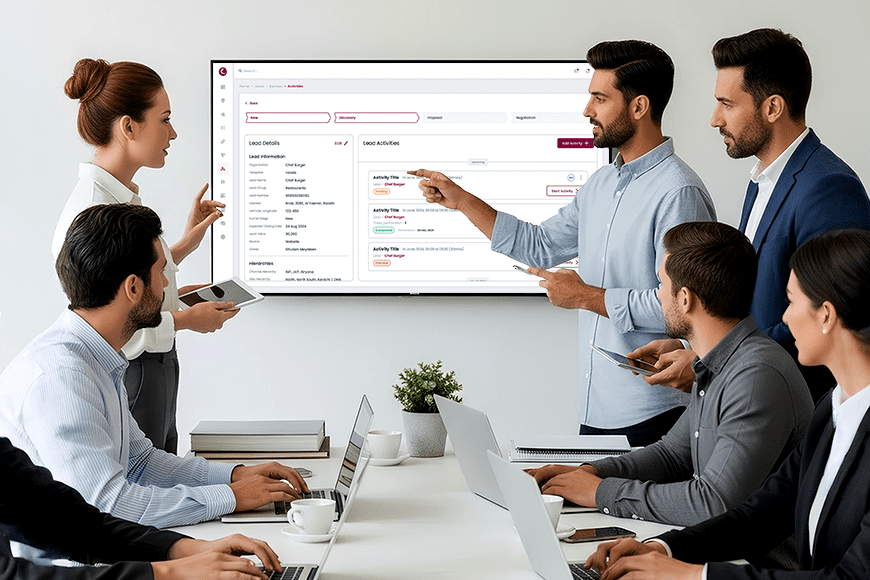
While the majority of debriefs happen remotely, with video and shared screens, some companies hold them in person. This should be a quiet private environment, meeting room, or closed video call to protect confidentiality. Anticipate a laser-focused discussion centered exclusively on your SPQ Gold output and associated evidence.
Turn off distractions, shut down other apps, and come with notes so you can participate actively and make the minutes matter.
2. The Structure
The session normally follows four stages: review, discussion, feedback, and planning. First, the grader goes over the report sections with you. Then, you discuss implications and examples from your work.
Then, the grader provides specific comments. At last, you settle on a course of action. Time is divided with the reviewer driving the review, but you have room to ask questions. The planned questions guarantee that every key skill and sales hesitation signal is addressed in turn.
3. The Report
Your SPQ Gold report includes test scores, competency ratings, behavioral markers and prospecting subscales, usually presented in easy-to-read tables and charts. See competency ratings and sales hesitation markers in the summary pages.
Discover prospecting scores in the subscale section. Review charts looking for trends, like low pipeline or high rejection anxiety. Bring questions about specific roles or metrics. This assists when the session goes over findings with you or a hiring manager.
4. The Dialogue
Your engagement counts! Be candid about particular selling moments that correspond with your scores so the interviewer can connect numbers to actual situations. With two-way communication, recommendations and expected outcomes are clarified and misreadings of the report are minimized.
Request concrete examples of how scores manifest in everyday work and ask for clarification regarding any aspect of the SPQ Gold process that is unclear.
5. The Insights
The debrief yields actionable insights you can use right away: a short onboarding plan, targeted coaching, or micro-goals to cut hesitation. Check back in at 30, 60, and 90 days and again at six months to maintain momentum.
Data-driven coaching can increase performance by around 8 percent and increase productivity by up to 30 percent when applied consistently. Some notice change within weeks, while others take longer.
Find immediate actions to eliminate blockers such as fear of rejection or insufficiently robust pipelines. Establish frequent feedback cycles to maintain momentum within three months in advanced programs.
Your Performance Metrics
The SPQ Gold measures trait-based sales qualities. It measures factors like assertiveness, persistence, sociability, resilience and rejection comfort in addition to task orientation and learning drive. Scores are reported against normative sales populations, indicating if a candidate will be a contact initiator, a relentless follower up, a resilient adapter.
These scores link directly to observable outcomes: higher persistence predicts more follow-ups and closed opportunities. Stronger assertiveness tends to shorten sales cycles in consultative roles. Increased sociability correlates with better networking and referral flow.
Core Competencies
Core sales behaviors measured are prospecting, needs discovery, closing, time management, and coachability. Competency scores indicate how prepared an individual is for field selling, inside sales, or enterprise account positions.
For instance, high closing intensity and moderate time management point to a rainmaker profile for quota-bearing field roles, while high coachability and structured task focus are more aligned for inside account development. Current rating: Prospecting 62, Needs discovery 55, Closing intensity 70, Time management 48, Coachability 78.
Target areas: raise time management to 65 and needs discovery to 70 within 90 days through a weekly prospecting drill and guided call reviews. Use explicit goals, owners, and dates: owner equals sales manager, goal equals two prospecting sessions per day, due equals 30 days.
Behavioral Patterns
The assessment reveals recurring behaviors: steady follow-up cadence, variable energy across the week, and a tendency to avoid high-volume cold outreach. These patterns map to typical interactions: persistent follow-up yields more second meetings.
Low daily activity reduces lead flow even when closing skill is high. Score patterns help tweak strategy. If call reluctance shows, add small daily prospecting tasks and micro-goals. If sociability is high but methodical task focus is low, assign CRM routines to capture follow-up notes.
Regular tracking at 30, 60, and 90 days, and again at six months, keeps motivation visible and allows timely adjustments. Some reps need daily feedback. Others prefer weekly check-ins. Tailor cadence accordingly.
Potential Derailers
Typical derailers are call reluctance, sales fitness, dependence on warm leads, and time discipline. Overlooking bad signs threatens missed targets and bad turnover.
Bullet list of derailers with actions:
-
Extreme call reluctance — action: phased cold-call exposure with coaching.
-
Low sales fitness means action is needed through role-play sprints and activity targets.
-
Overreliance on warm leads leads to the action of assigning prospecting KPIs and monitoring CRM.
-
Poor time discipline — action: implement daily planning and weekly reviews.
Additional recommended steps include data-based coaching, which can boost performance by 8% and productivity up to 30%, retesting to measure gains, and monthly reviews to catch issues early.
Prioritize growth actions: custom onboarding checklists, coach sessions that target skill gaps, and one concrete skill focus each month to guard against the 70% training loss within a week.
Effective Preparation
Effective preparation means arriving at the debrief with clear evidence, concrete goals, and a plan to turn insights into action. Review the SPQ Gold assessment process and sample reports so you know what each scale and subscale measures and how scores map to sales behaviors. Reflect on recent sales activity and outcomes to ground the conversation in real events.
Prepare specific goals or job requirements you want to check against the report. Gather performance data, call logs, CRM entries, and key contacts to support examples during the debrief.
Mindset
Adopt a growth-oriented mindset: expect to learn and change. Be receptive to feedback on your sales mindset and character outcomes instead of defensive. Actionable growth plans are what you want to prepare.
Make it actionable — for the goal of outreach, set a target number of attempts per day, such as 20. For rehearsal, establish 2 blocks of 30 to 60 minutes each, three times a week. See the session as an opportunity to get skills honed early, not a final say.
Reflection
Review your sales history with an eye for trends. Note strengths the SPQ Gold emphasizes and the gaps it identifies. Find call aversion or missed opportunities in recent weeks.
One timed role-play usually unmasks aversion very quickly. Divide big objectives into manageable pieces, such as daily steps or weekly targets, and employ tracking charts or online follow-up to maintain visibility. Generate a takeaway checklist from your SPQ Gold report to talk through with your evaluator and build a brief plan, such as changing one habit over multiple weeks with explicit check-ins.
Questions
Come prepared with questions about particular subscales and what they imply for daily selling. Inquire how your skill rankings stack up against other salespeople or the industry in order to establish realistic goals.
Inquire about recommended next steps: coaching cycles, course work, or peer shadowing. Ask for specific cases where other teams utilized SPQ Gold outputs for onboarding, role placement, or team strengths mapping.
Inquire about setting up routine feedback, for example, monthly face time to monitor progress and identify issues early. Explore data-based coaching choices. Whenever adopted, information-targeted coaching can raise performance by about eight percent and increase productivity by as much as thirty percent.
Common Pitfalls
The debrief can expose stales blocking sales momentum. Here are common pitfalls, why they are important, and how to avoid them so the SPQ Gold test leads to real progress, not just a report.
Defensiveness
Defensiveness shuts down useful feedback and stops insight from becoming action. When scores point to sales reluctance or low prospecting, some respond by explaining away behaviors instead of examining causes. Guard against that by naming the specific reaction you feel, then pause and ask clarifying questions.
Accept constructive criticism as part of the structured tool. The assessment maps 12 types of Call Reluctance, including Role Rejection and Stage Fright, so a low score usually signals a repeatable pattern rather than a character flaw. If Stage Fright shows up only in group settings, note that it may not affect one-on-one selling and adapt coaching accordingly.
Practice active listening: restate the evaluator’s point, cite an example from your recent calls, and ask which small change would have the biggest impact. Focus on solutions and growth instead of defending past choices.
Over-Fixation
Obsessing on a single bad result skews your entire view. One low subscore looks catastrophic standing alone, but the report is full of strength in other areas. Maintain perspective and see the entire spectrum of competency scores and sales knowledge.
Nothing fancy, just a plain ol’ two-column table of ‘plusses’ and ‘minuses’ and coaching time spent where it moves the meter the most. Below is an example table layout to use during the debrief:
|
Positive Findings |
Negative Findings |
|---|---|
|
Strong discovery questions |
Low outreach activity; small pipeline |
|
High empathy in 1:1 calls |
Stage Fright in group demos |
|
Good closing language |
Value pitch lacks clarity |
This format makes it easier for teams to see trade-offs and prevents them from chasing a single metric at the expense of the core behaviors. Keep in mind that under 20% of salespeople ever get through to new leads and less than 30% ever close them. A balanced perspective aids in ranking solutions that provide the biggest returns.
Inaction
Insight without action wastes the insight. Don’t skip advised courses of action or flake the report. Make one commitment now, such as three outreach touches a day or two, thirty-minute prospecting drills a week.
Have concrete outreach goals, log activity in a communal tracker, and follow up to check on progress. Ongoing monitoring and feedback maintain progress and expose new hazards, so incorporate check-ins into the schedule.
For deal-blocking fears, like fear of rejection or an unclear value pitch, fix the behavior first. Solve stress and self-doubt by combining coaching with short practice drills and measurable goals.
Beyond The Report
The spq gold report provides a concentrated pulse of sales likes and dislikes. It’s just one aspect of overall performance. Take it as a beginning, not a verdict. Think of real job tasks, market quirks, team dynamics, and customer patterns when you translate the report into day-to-day work.
That context informs what scores are most important, which gaps are urgent, and which strengths can be redeployed immediately.
Contextual Nuance
Account roles and markets alter the way you interpret the data. An inside sales rep in a subscription market will exhibit distinct helpful behaviors from an enterprise hunter peddling long-cycle solutions. Tailor your development plan to the mindset shifts or role values you require.
Shift from transactional scripts to consultative questioning, for instance, if the role calls for value selling. Discuss detailed context with your reviewer so you each observe how territory size, product difficulty, or tooling limitations could have biased the outcome.
Typical external factors are product maturity, CRM quality, compensation design, quota stretch, macroeconomic shifts, and onboarding timing. Report delays can delay onboarding and dilute the advantage of spaced testing, so mark timing risks in any plan.
The Evaluator’s Role
The reviewer converts experimental results into action items. Beyond The Report anticipate they will highlight obvious strengths and largest skill gaps and suggest actionable coaching moves, such as daily cold-call scripts, weekly role-play sessions, or targeted objection-handling drills.
They should help choose the rhythm of feedback: some reps need daily touchpoints, while others do better with weekly reviews. Work together to define realistic, quantified goals associated with business metrics.
Don’t be shy about using short-term goals to generate momentum and keep people confident. Two to four weeks is often plenty, but some will find it too short. The reviewer can assist in establishing digital follow-up and tracking so that they see progress and it is maintained.
Long-Term Value
Make the debrief a living document for hiring, onboarding, and promotion decisions. Track report score changes over months to separate sustained improvement from noise. When combined with persistent coaching, ongoing tracking and retests in mature programs can nudge teams toward quota within three months.
The data-driven coaching raises performance by roughly 8% and can boost productivity by as much as 30% if followed consistently. Construct a history of mindset pivots and fundamental skill acquisitions.
This aids retention and selecting candidates who fit your culture. Maintain a regular testing cadence. Spaced testing enhances long term retention significantly more than one-off reviews.
Post-Debrief Actions
The debrief generates guidance only when it is followed by conscious action. Without a structured frame, debrief insights can simply evaporate into the daily operational swamp. Post-Debrief Actions are immediate, organized steps that help you turn feedback into measurable behavior change across a planned timeline.
Your Development Plan
Develop a personalized development plan linked directly to your SPQ Gold report and debrief notes. Start with a 30-day action window that lists explicit goals, owners, and dates. For example, “Increase objection-handling success rate by 15% in 30 days — owner: self — due: 30 days.
Break the 90-day behavior change journey into phases: activation during weeks 1 to 2, barrier identification during weeks 3 to 4, integration in month 2, and habituation in month 3. This provides definitive milestones and maintains momentum.
Focus on target skills and core competencies that the test debrief emphasized. Something basic like a table or checklist to order skills based on impact and effort. Put high-impact and low-effort items first, maybe live role-play opening statements, and schedule them weekly.
Include specific training: short e-learning modules, live sales practice, or prospecting drills that last no more than 45 to 60 minutes each session. Track progress using outcome measures and performance data. Monitor activity and outcomes at 30, 60, and 90 days and again at six months.
Frequent tracking keeps motivation high and makes gaps visible. As research demonstrates, 70% of training is forgotten within a week if left unreinforced, so combine training with practice sessions and rapid feedback loops.
Continued Support
Get continued support from sales leaders, trainers or outside coaches to maintain momentum. Leaders receiving structured follow-up post debrief demonstrate measurable behavior change 73 percent of the time within 90 days. Arrange coach check-ins and peer review sessions to remain accountable.
Engage in further testing or level training if suggested. Participate in team workshops and targeted skill-sharpening sessions that adopt regular schedules. Maintaining a schedule maximizes learning and provides a consistent experience for all attendees.
Set regular check-ins. Brief, targeted check-ins every two weeks initially, then monthly, as in the 90-day plan will help identify challenges early.
Data Confidentiality
Ensure assessment data and debrief outcomes remain confidential and that access is defined. Confirm who on the team, in HR, or in leadership can view full reports or only summary insights.
Ask for a written summary of data privacy policies related to your assessment and coaching progress and confirm how performance metrics and test scores will be used. Ask for limits on further distribution and specific retention timelines.
It safeguards careers and incentivizes truthful thinking in debriefs, which promotes real growth instead of a defensive mode.
Conclusion
The SPQ Gold debrief gives clear facts about your strengths and gaps. Read the report, note the score trends, and link them to tasks you do each day. Use the metrics to set small targets. Try practice drills that mirror real tasks and track progress over weeks. Watch for common pitfalls like rushing answers or guessing without a plan. Ask for specific examples in the debrief meeting and request follow-up resources or coaching if you need them. Use the outcome to guide next steps at work or in training. A steady, simple plan will improve scores and confidence. Ready to act? Pick one small change and start this week.
Frequently Asked Questions
What is the SPQ Gold assessment debrief?
What is the debrief? It interprets scores, strengths, and development needs. Anticipate sharp insights and actionable next steps.
How long does a typical debrief take?
Debriefs typically run 30 to 60 minutes. Duration varies based on discussion depth and follow-up planning. Request a length from your facilitator.
Who conducts the debrief?
It’s conducted by a certified SPQ Gold practitioner or trained HR professional. They interpret results objectively and direct your development plan.
What performance metrics will be discussed?
You will find strategic preference scores, subscale scores, and benchmark comparisons. The facilitator ties metrics to real-world behaviors and roles.
How should I prepare for the debrief?
Read through the report and highlight questions. Bring work-context samples. Preparation helps you turn feedback into action.
What common pitfalls should I avoid during the debrief?
Don’t be defensive and don’t over-explain. Don’t discount data that challenges your perspective. Be inquisitive and view it as a learning opportunity.
What happens after the debrief?
You’ll receive a written summary and action items. Use them to establish targets, coaching, or training. Follow-up reviews enhance the lasting effect.